Quinto mandamiento: Honra a tu padre y a tu madre
Cómo los Diez Mandamientos apuntan, por medio de Jesús, al nuevo cielo y la nueva tierraQuinto mandamiento: Honra a tu padre y a tu madre
Este mandamiento se lee dentro de la historia de la salvación por gracia, no como un medio para ganar la salvación.IA y herramientas para compartirPreguntar
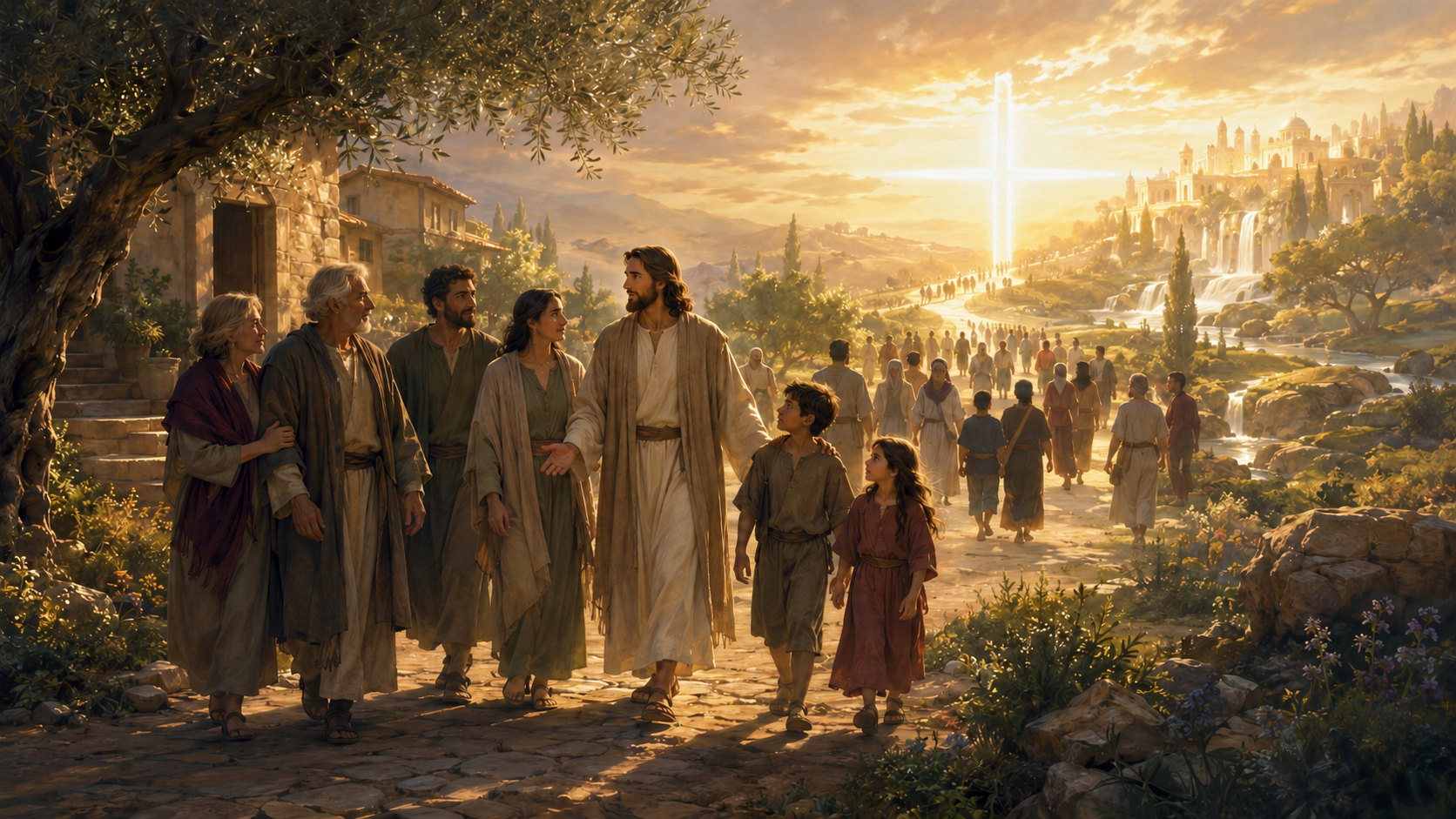
Honour your father and your mother, so that your days may be long in the land the LORD your God is giving you.
Expone la orientación del corazón; conviene distinguir el texto bíblico, la comprensión cristiana habitual y la síntesis del autor.
Six forms of maturity shaped by the Fifth Commandment
God remains first
Parents deserve honour but are not the highest authority; love for God and truth remain primary.
Respect and gratitude
Recognise parents’ place with fitting speech, patience and respect rather than contempt.
Practical care
Jesus rejects religious excuses for withholding support; honour enters time, attention and responsibility.
Healthy boundaries
Honour does not require carrying every parental emotion, accepting control or surrendering discernment.
Parents are accountable too
Parents must not misuse authority or provoke children, but nurture through love, truth and example.
Relationships form maturity
Family is an early training ground for gratitude, responsibility, communication, forgiveness and sacrifice.
From earthly family to God’s everlasting household
- 01
Life from the Father
Every family in heaven and earth receives its name from him
- 02
Earthly family
A beginning for love and responsibility, not the final end
- 03
Jesus’ example
Submission in growth, the Father’s mission first, and practical care
- 04
God’s wider family
The church and Kingdom teach love beyond bloodline
- 05
New Creation
The author sees God’s people becoming one household in his presence
Honour, blind compliance and Kingdom priority must be distinguished
Honour parents and accept responsibility
The command places generations within God’s order and joins honour to a promise of life in the land.
Religion must not excuse neglect
A Corban vow that becomes a reason to abandon parental support violates the command’s heart.
Honour means unconditional compliance
Healthy differentiation is not dishonour; love can set boundaries, resist manipulation and still offer respect and care.
God first; neighbour-love begins at home
Jesus obeyed in growth and cared for his mother, while placing the Father’s mission first. These do not cancel one another.
Four biblical windows on the Fifth Commandment
Honour belongs to covenant order and carries a promise of long life and well-being in the land.
Jesus opposes neglected care, submits during growth and provides for his mother at the cross.
Children obey and honour in the Lord; parents must not abuse authority but nurture in the Lord’s instruction.
Resurrection life does not continue present marriage. The site therefore treats family as a beginning and God’s dwelling with all his people as the end; this is the author’s theological synthesis.
Por Jesucristo, el límite exterior conduce a una vida santa renovada por el Espíritu y orientada hacia la Nueva Creación.
Lectura cristiana tradicional +
La enseñanza cristiana histórica suele entender este mandamiento como parte de la voluntad moral de Dios y ve a Jesús llevarlo hasta el corazón humano.
Síntesis del sitio
Expone la orientación del corazón; conviene distinguir el texto bíblico, la comprensión cristiana habitual y la síntesis del autor.