Điều răn thứ tư: Ngày Sa-bát và sự nghỉ ngơi
Mười Điều Răn chỉ qua Chúa Giê-su đến trời mới và đất mới như thế nàoĐiều răn thứ tư: Ngày Sa-bát và sự nghỉ ngơi
Điều răn này được đọc trong câu chuyện cứu rỗi bởi ân điển, không phải như cách kiếm lấy sự cứu rỗi.AI và công cụ chia sẻHỏi
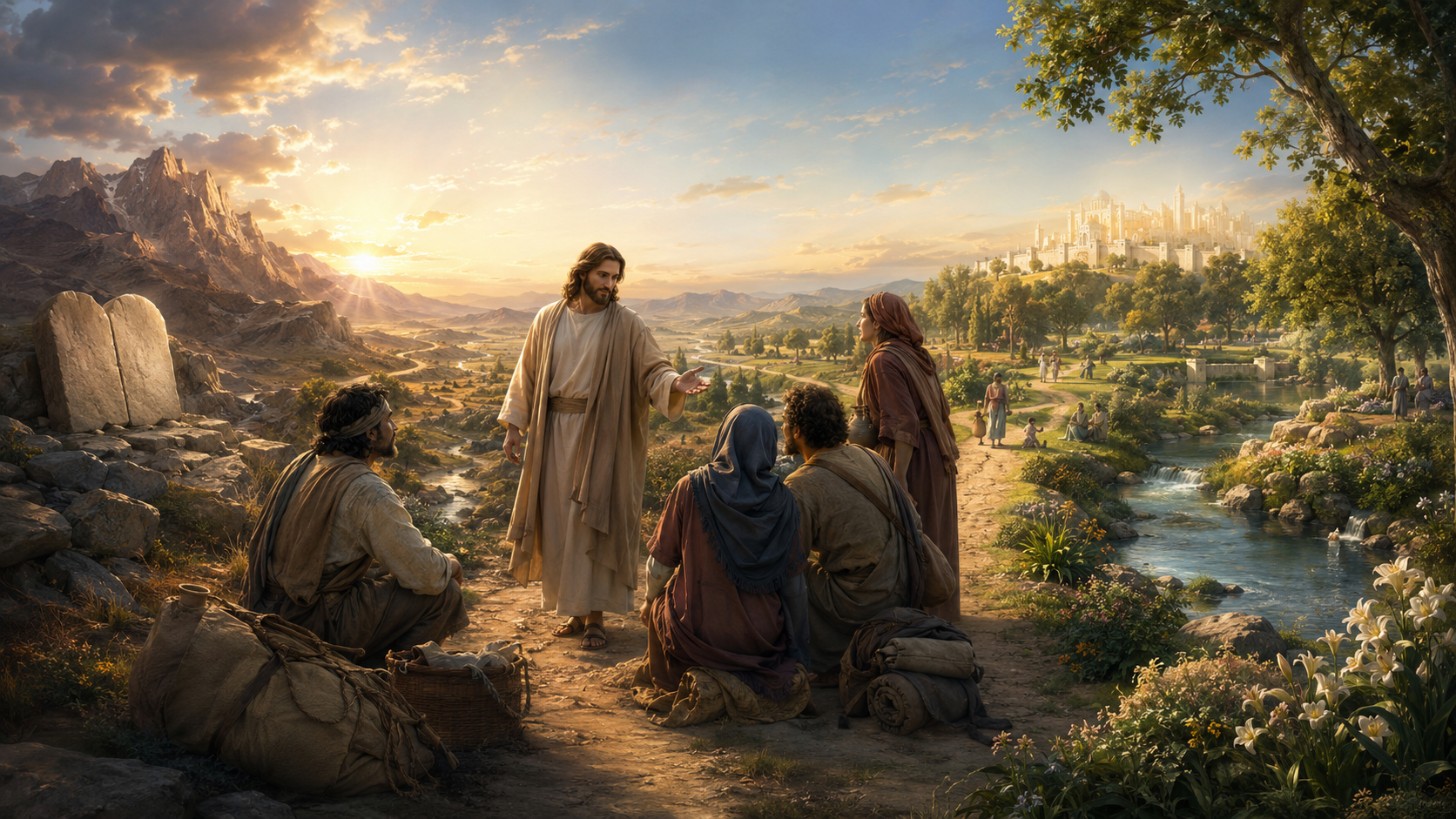
Six days are given for work; the seventh is Sabbath to the LORD, grounded in God’s rest after creation.
Điều răn bày tỏ hướng đi của lòng người; cần phân biệt văn bản Kinh Thánh, cách hiểu Cơ Đốc giáo phổ biến và sự tổng hợp của tác giả.
Six life questions exposed by Sabbath
Who is Lord of life?
Endless production and control can make efficiency, achievement and the self into masters.
Can I trust God’s provision?
Stopping admits that the world does not depend on me and entrusts tomorrow to God.
Will I learn Christ’s humility?
Rest is not display or self-importance, but taking Christ’s yoke and learning his way.
Can I practise restraint?
Freedom from bondage to work, consumption, comparison, applause and endless entertainment.
Are relationships protected?
Sabbath includes household, resident, servant and animal; production must not consume shared life.
Does religious activity equal rest?
A crowded ministry schedule can still carry rivalry, anxiety and another form of toil.
From the seventh-day sign to eternal rest in Christ
- 01
Creation completed
God establishes a creaturely rhythm of work and rest
- 02
Sinai command
The seventh day teaches limits, trust and holiness
- 03
Jesus is Lord
The Son of Man is Lord of Sabbath, not captive to a date
- 04
Formed by Christ
Learn gentleness, humility, restraint and trust
- 05
New Creation
God’s people leave the dominion of sin and futility for final rest
Date, Law and Christ must be distinguished
The seventh day is set apart
Exodus joins Sabbath to completed creation, ordinary work ceasing and shared household rest.
Saturday or Sunday?
Christian traditions differ on how Sabbath continues and how Sunday worship relates to it.
From the date to the Lord of rest
Jesus does not replace one calendar contest with another. He calls the weary to himself and gives an easy yoke.
A day off or service attendance equals rest
External rest can remain full of anxiety, control or performance; true rest includes trust, communion and transformation.
Four biblical windows on rest
Sabbath rests on completed creation and trains Israel in limits, holiness and trust.
Sabbath was made for humanity; Jesus is its Lord and gives rest to the weary.
Sabbaths can function as shadow, while a deeper rest still remains for God’s people to enter by faith.
Futile toil, curse and death end, while meaningful service and God’s presence remain.
Qua Chúa Giê-su Christ, ranh giới bên ngoài hướng đến đời sống thánh khiết được Đức Thánh Linh đổi mới và hướng về trời mới đất mới.
Cách hiểu Cơ Đốc giáo phổ biến +
Cơ Đốc giáo lịch sử thường xem điều răn này là một phần ý muốn đạo đức của Đức Chúa Trời và thấy Chúa Giê-su đưa ý nghĩa ấy vào tận lòng người.
Sự tổng hợp của trang web
Điều răn bày tỏ hướng đi của lòng người; cần phân biệt văn bản Kinh Thánh, cách hiểu Cơ Đốc giáo phổ biến và sự tổng hợp của tác giả.