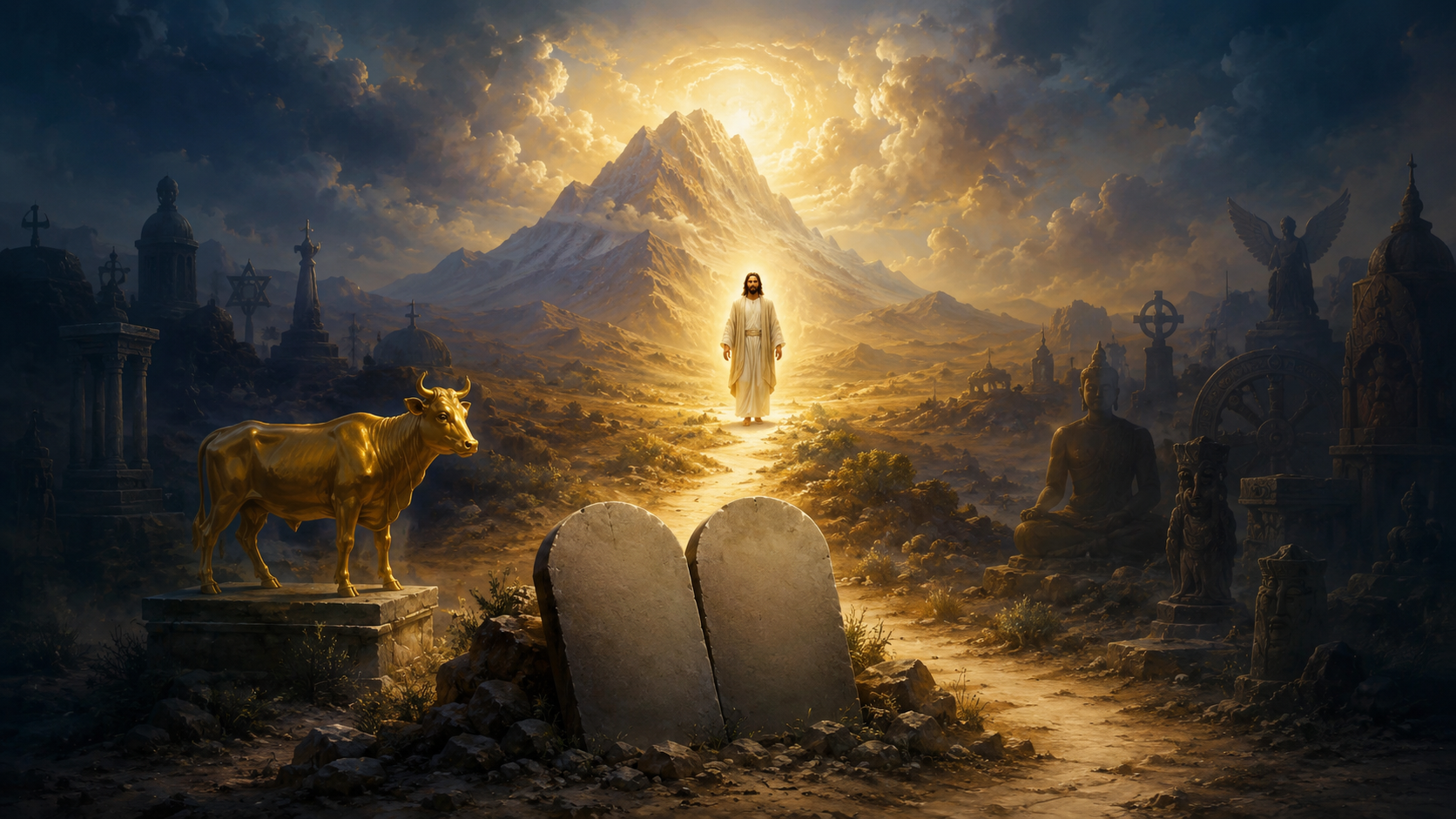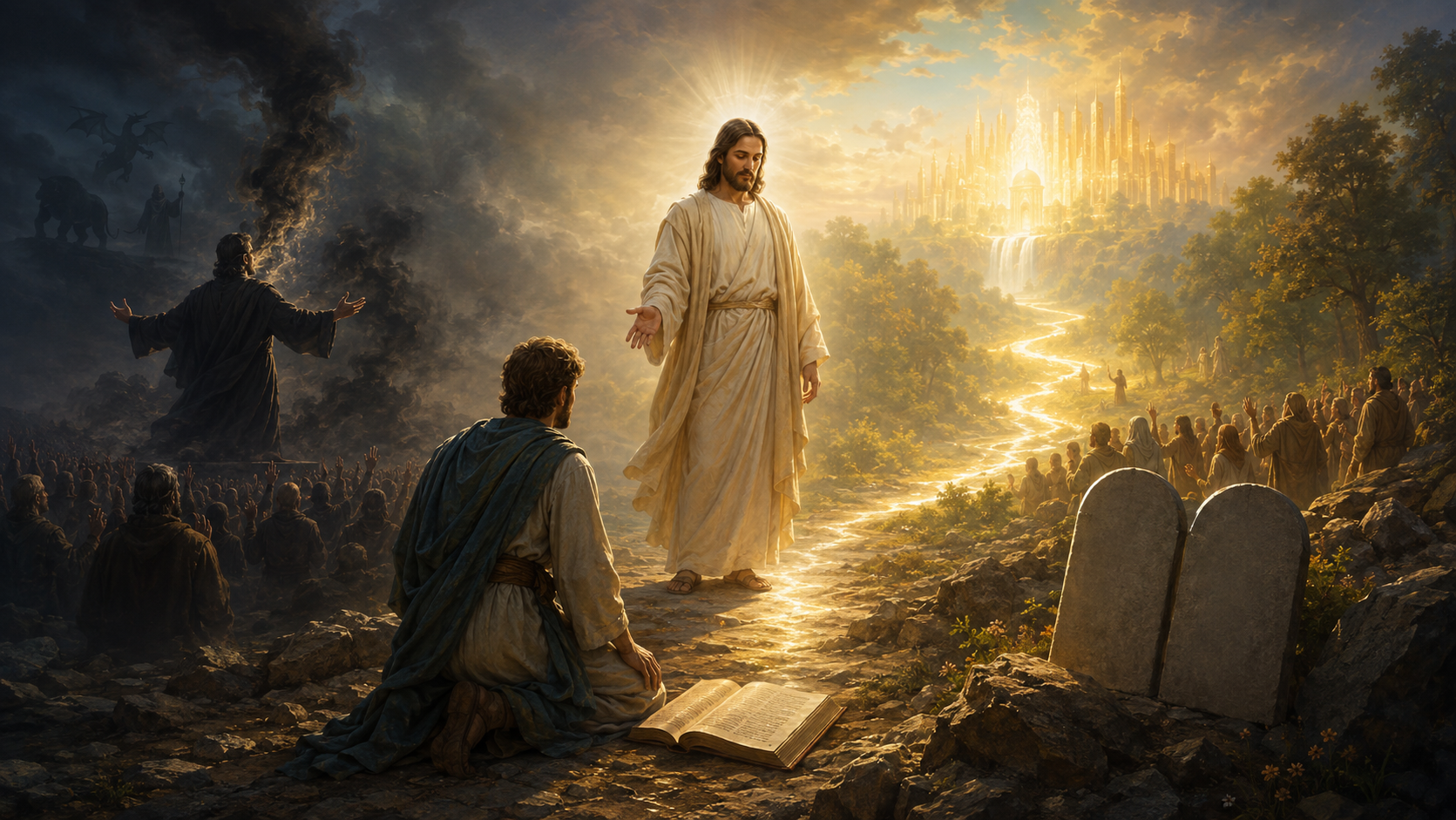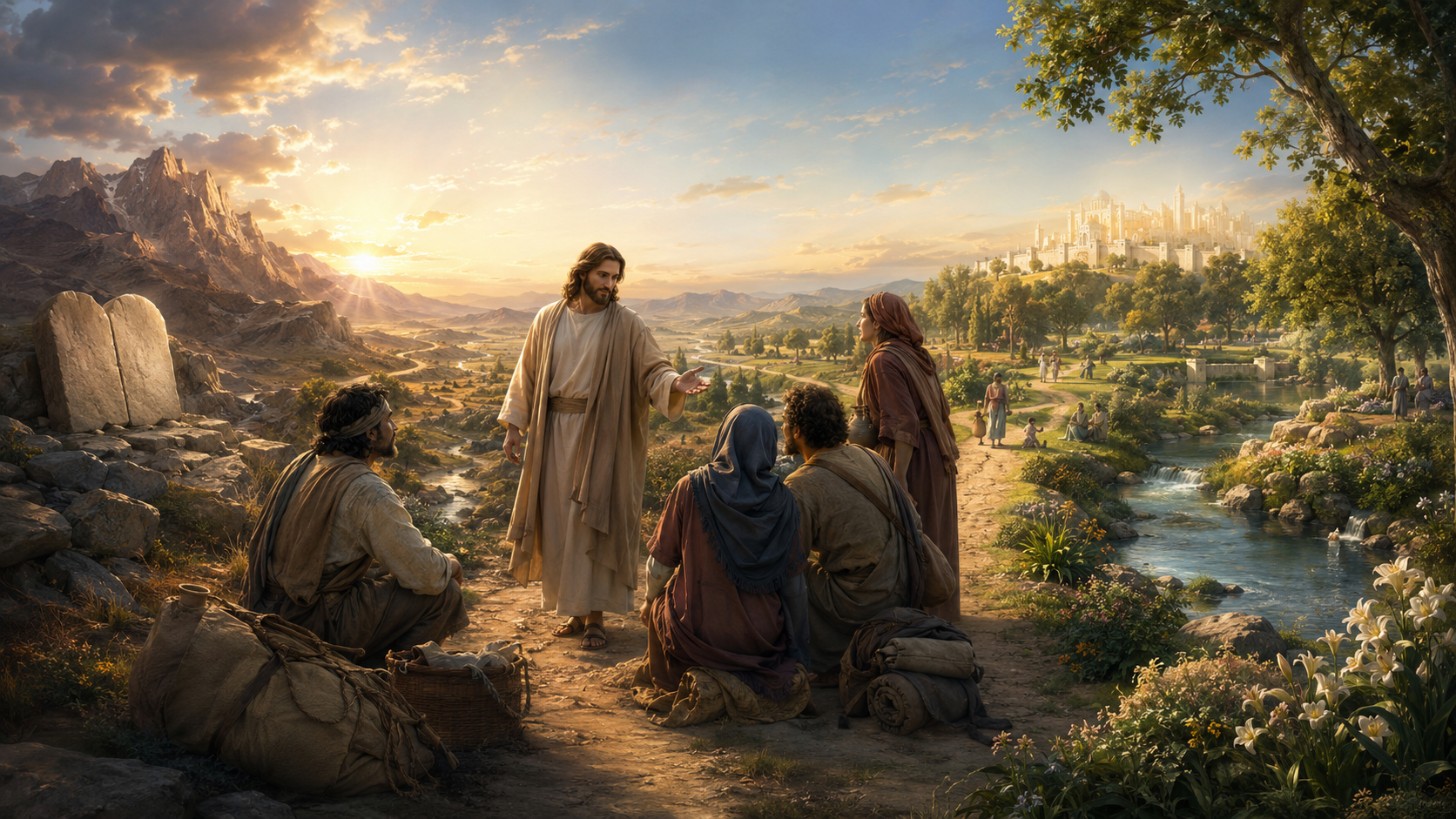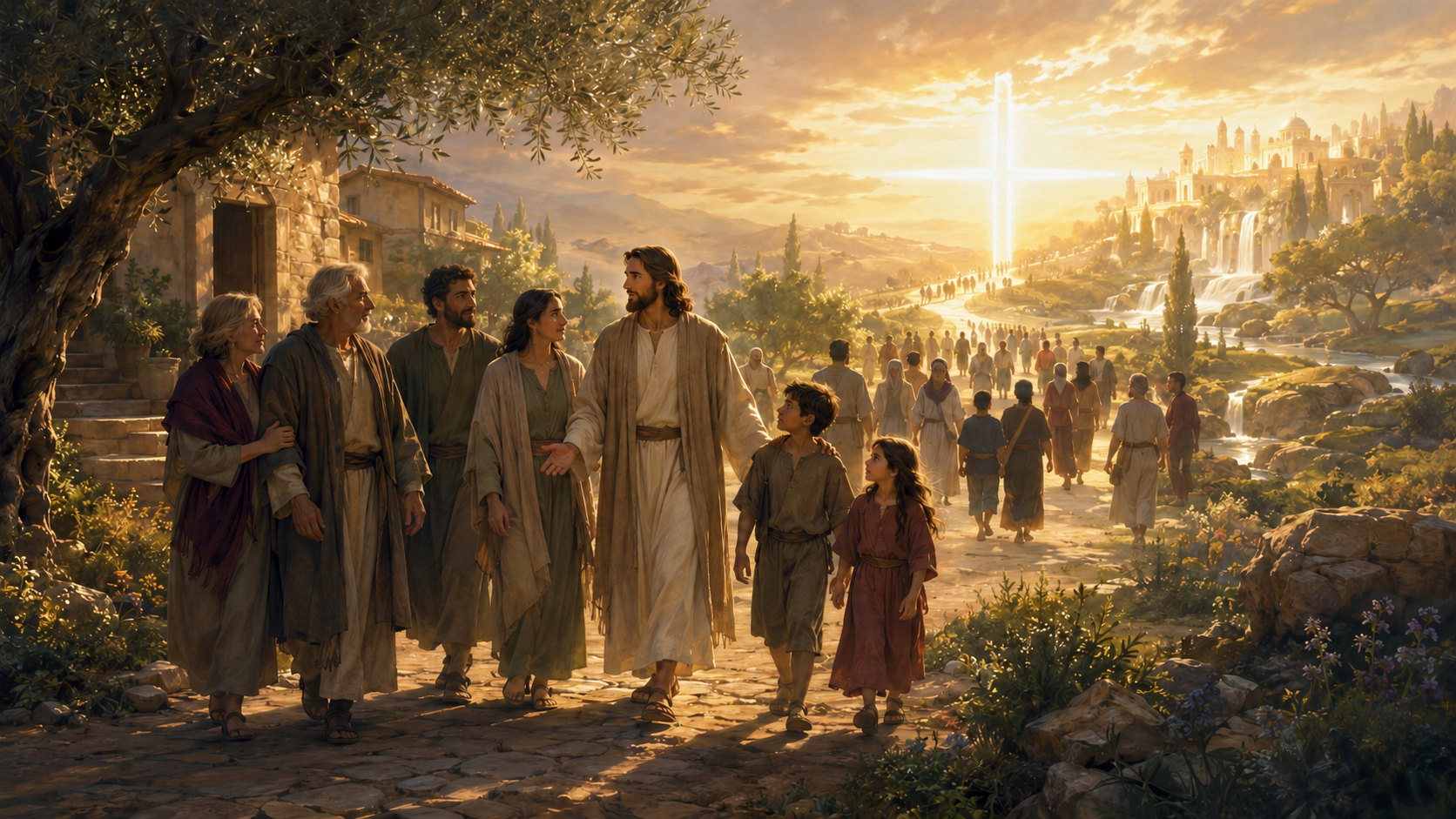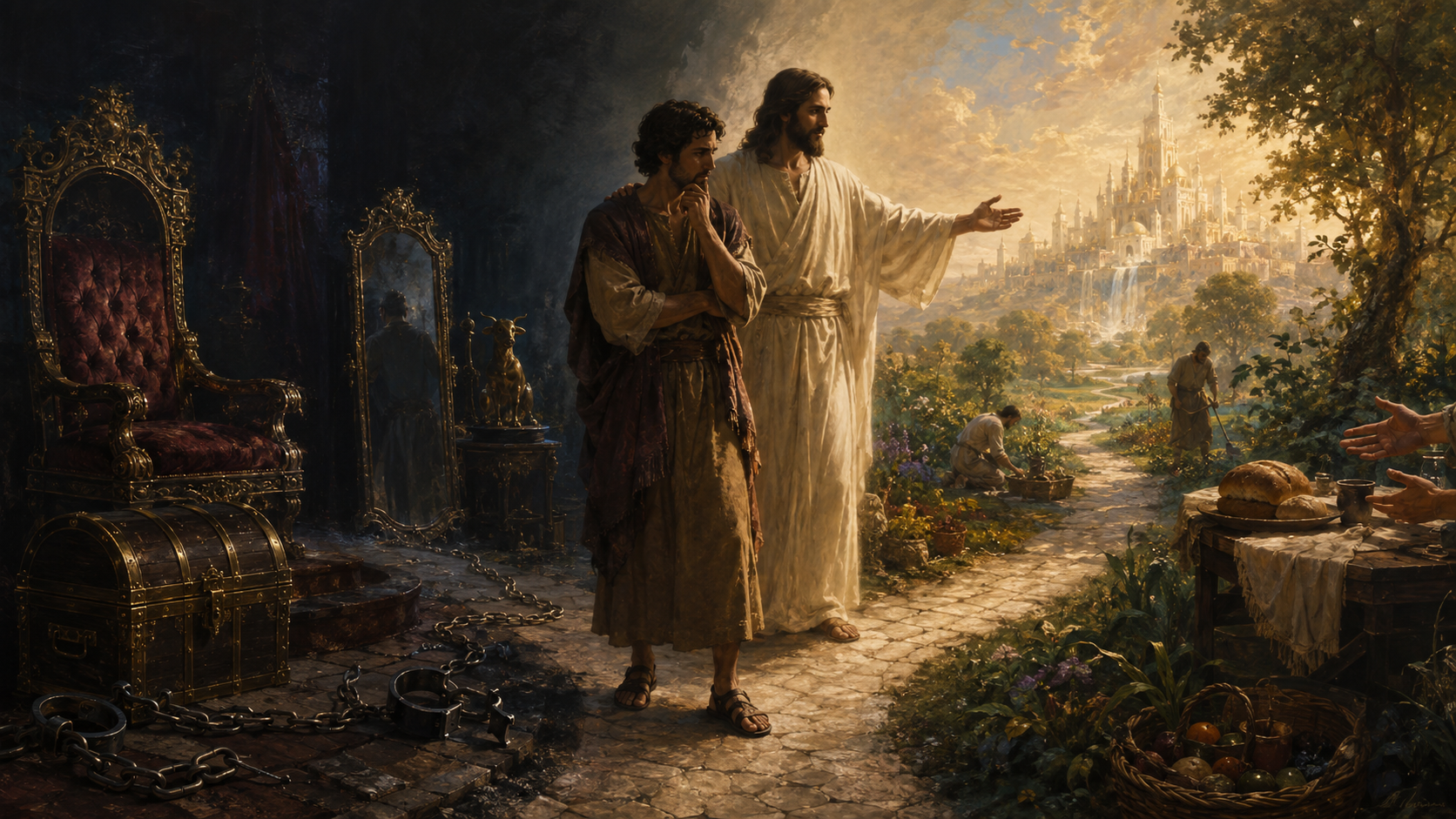
Why begin with the Ten Commandments?
Rescue comes before calling; the commandments belong inside a story of grace.
CHRIST-CENTRED BIBLE OVERVIEW

THE CENTRE OF THE WHOLE BIBLE
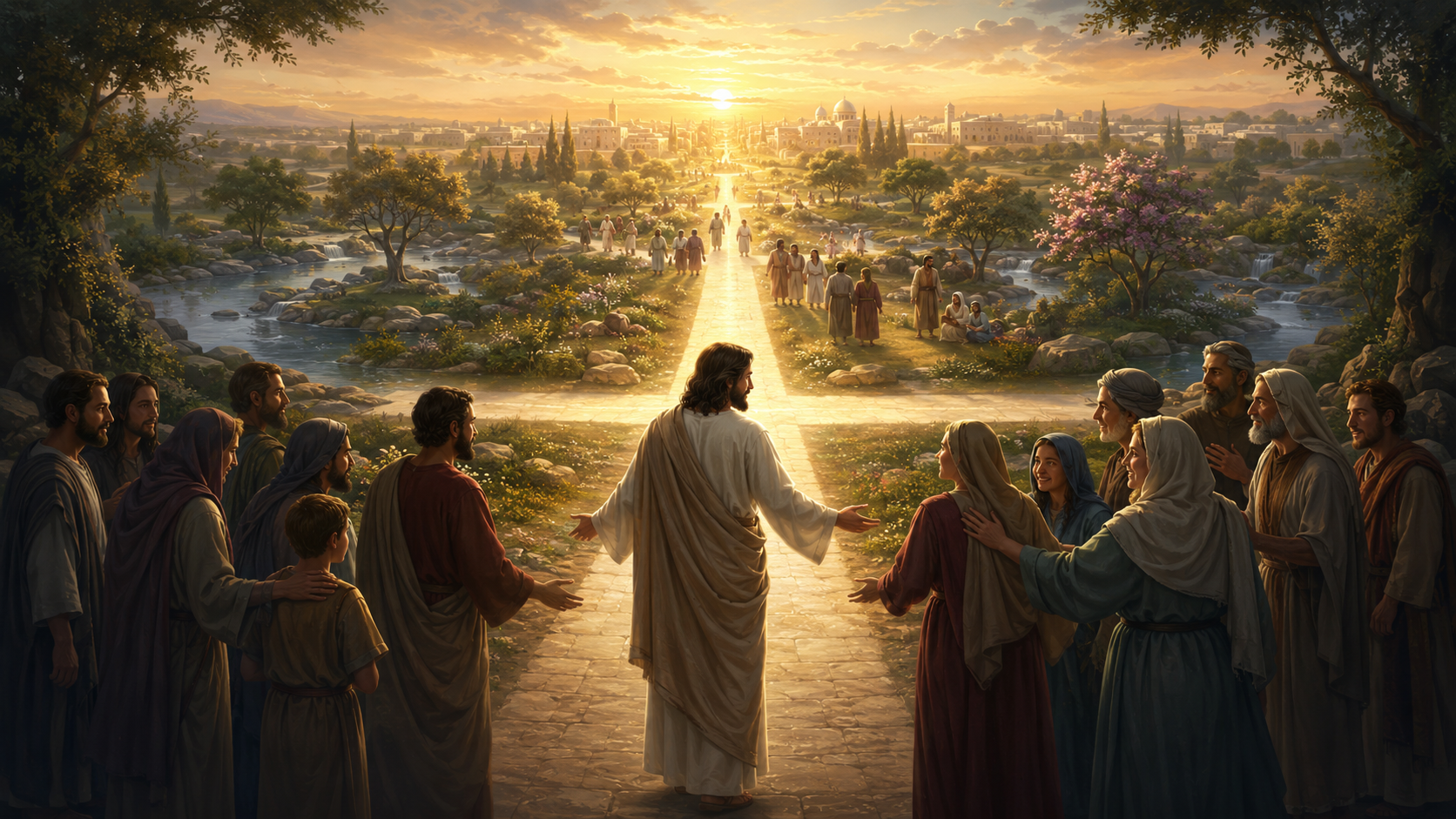
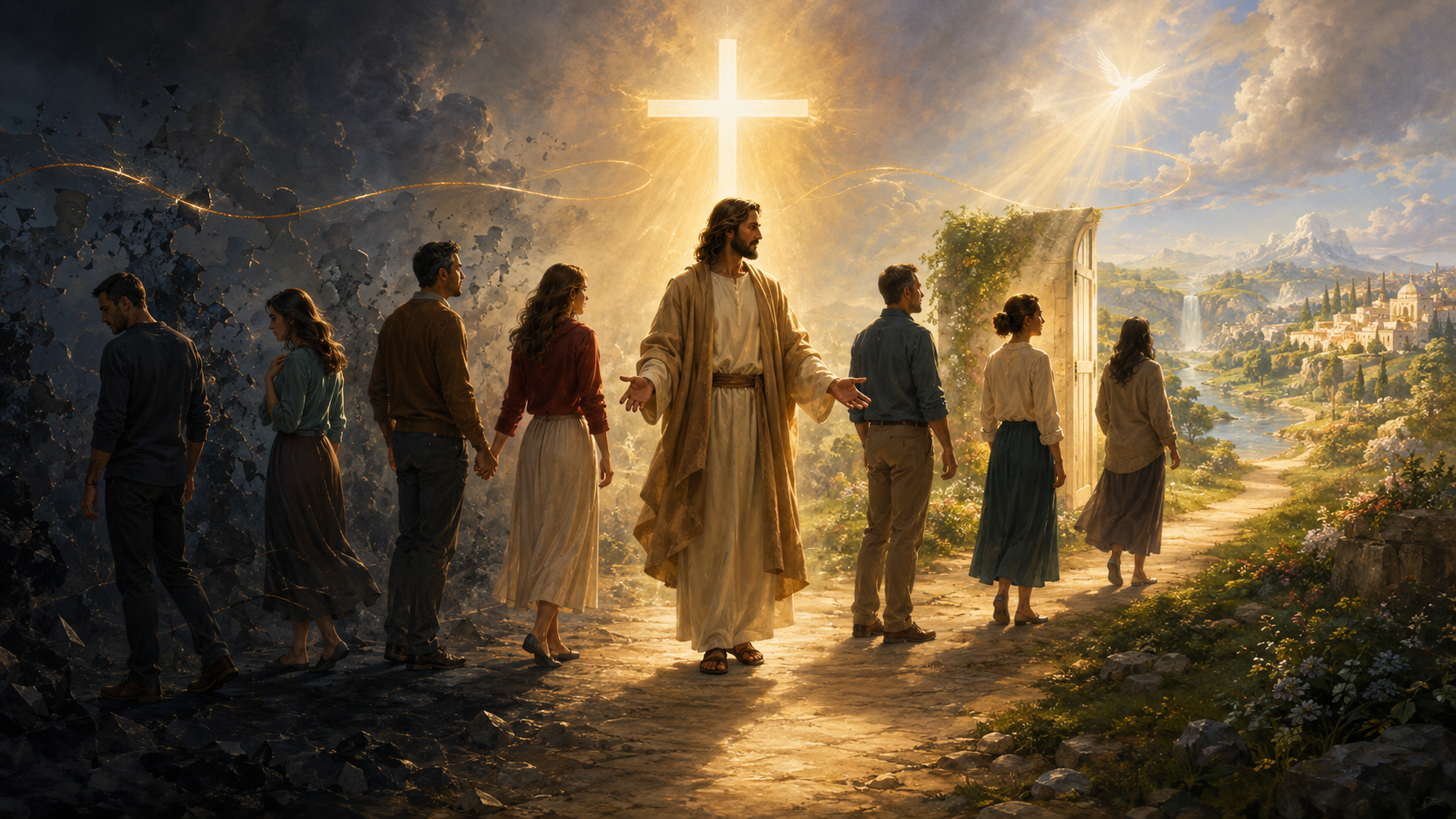
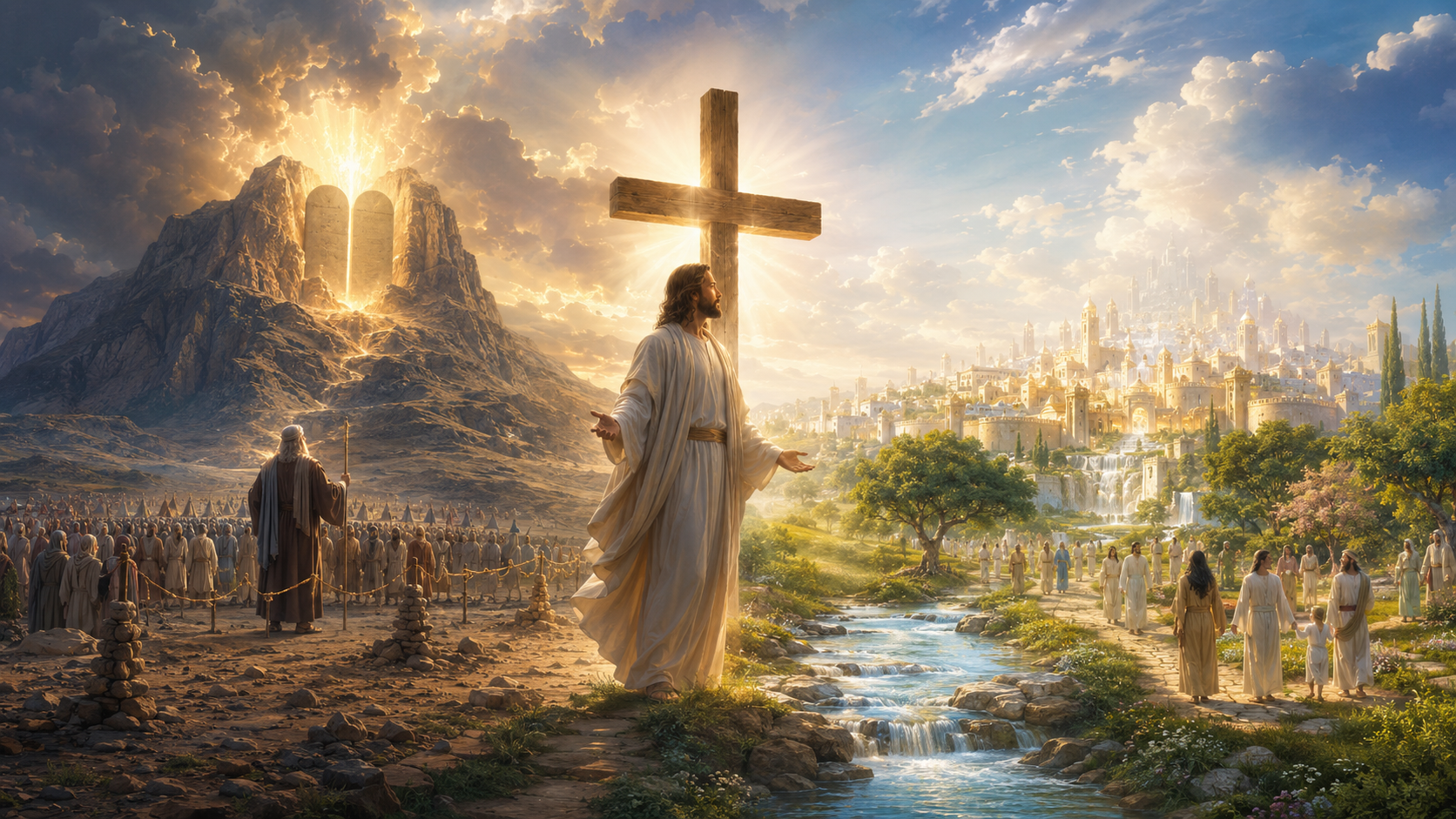
This visual places the Old Testament, the Son of Man, the cross, Revelation, the Millennium and the New Creation within one redemptive storyline centred on Jesus Christ.
A CALM, LAYERED STUDY PATH
KEY TERMS · Select for a plain-language explanation
The site distinguishes between direct biblical statements, connections between passages, Xiaoyang's interpretation, and views that have not received mainstream recognition. Readers are encouraged to examine the full context of Scripture.
Source statement: Traditional Chinese is the controlling original. If a translation differs, is unclear or appears to conflict with it, the meaning of the Traditional Chinese text governs.
XIAOYANG Q&A
Important and complex topics are organised into step-by-step study pages: grasp the core first, then enter the wider context.
Open the Deep Explainers index →AUTHOR’S ADVICE
Build a basic familiarity with the whole Bible before forming an overall view, rather than knowing only a few passages or preferred themes.
You need not force yourself to read a set number of chapters every day. Read a little each day or set aside a longer period each week; sustained examination matters more than completing a checklist.
Pay attention both to the plain sense and to spiritual significance. Read individual passages within their immediate context and within the whole Bible instead of bending them towards personal preferences or prior positions.
Memorisation can support memory, but the author believes that understanding and living out Scripture are what truly shape a life.
Every tradition may offer something worth learning and may also have blind spots. Compare views humbly, but keep returning to Scripture as the final basis.
Do not stop testing claims because they come from this author, and do not accept conclusions merely because someone is famous. Return repeatedly to the text and let Scripture speak for itself.
Whether reading the Old or New Testament, make Jesus Christ the absolute centre—not success, wealth, happiness, theology, politics, democracy, institutions or any other theme.
A genuinely Christ-centred reader does not use Jesus’ name to package personal ideals, positions or desires, but allows Scripture continually to correct thought and life.
When Jesus Christ truly becomes the centre, the Bible’s consistent and mutually illuminating message becomes clearer, and readers can gradually perceive the wider pattern and deeper mysteries of God’s revelation. Without this centre, even extensive Bible knowledge can turn Scripture into a tool for supporting one’s own opinions rather than a means of truly knowing Christ.
CORE THEMES

INSTITUTIONS, POWER & CHRIST
From law, meetings and leadership to the seven churches and Babylon, ask how structures can serve life without replacing Christ.
FROM SALVATION TO FAITHFULNESS
Beginning with salvation by faith, trace sanctification, faithfulness, overcoming, reward and responsibility as grace forms mature life in Christ.
TIMELINE, SIGNS & READINESS
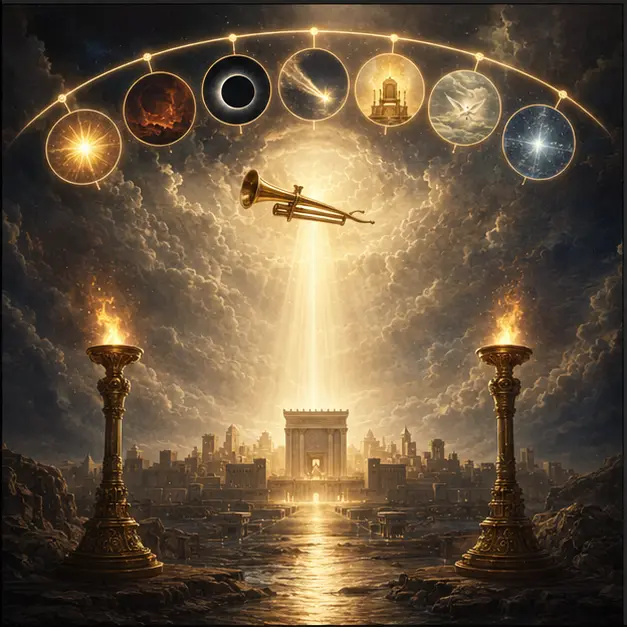
Study Daniel’s final week, the two witnesses, the sixth seal, trumpets and bowls while distinguishing Scripture, major views and Xiaoyang’s developing timeline.
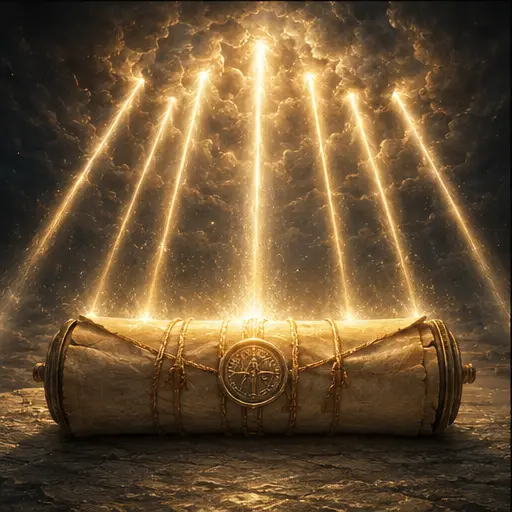
MYSTERY & END-TIME WITNESS
Examine the seven thunders, end-time testing and the limits of what Scripture has disclosed.
Read the study→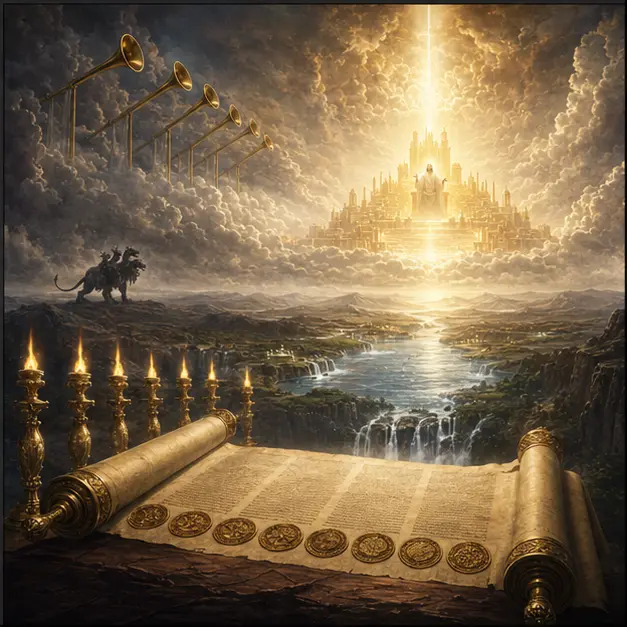
RESURRECTION, DISCERNMENT & KINGDOM
Connect Messiah’s resurrection, discernment of false christs and his public return as the opening of resurrection and kingdom government.
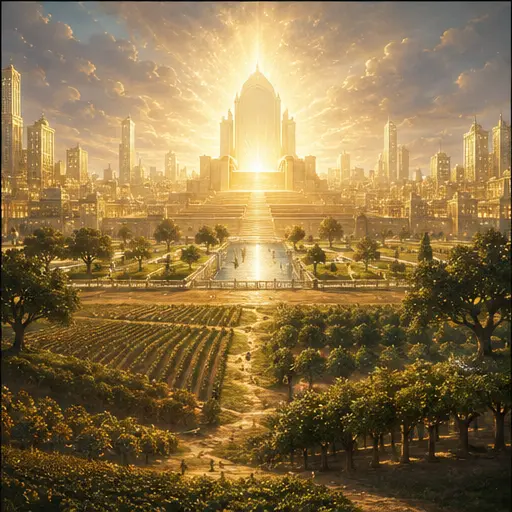
RESTORATION, GOVERNMENT & FINAL TEST
Through Ezekiel’s temple, river and Eden-like restoration, consider government under Christ and the freedom exposed by Satan’s final release.
THE BIBLICAL JOURNEY
Author’s interpretive note: The Father is invisible and has disclosed no describable bodily form; the Spirit’s visible signs do not take one fixed human shape, while the Son is consistently associated with human-form appearances. The author therefore reads the divine image christologically. This does not make Jesus a creature: the Son was with God and was God from the beginning. This synthesis should still be tested alongside mainstream interpretations of the image of God.
Author’s interpretive note: Because many biblical judgements are regional, the author reasons that the corruption leading to the Flood may describe an exceptionally severe distortion of created order. He further connects it with Satan’s defilement of the Son-of-Man image, the beast in Revelation and the final rebellion after the Millennium. Genesis 6 has several historic interpretations; this connection remains under examination and has not received mainstream recognition.
Author’s interpretive note: Election is treated first as mission and responsibility: preserving revelation, preparing for Messiah and displaying God’s holiness, justice and mercy through Israel’s law, worship, prophets and kings. It should not become ethnic superiority.
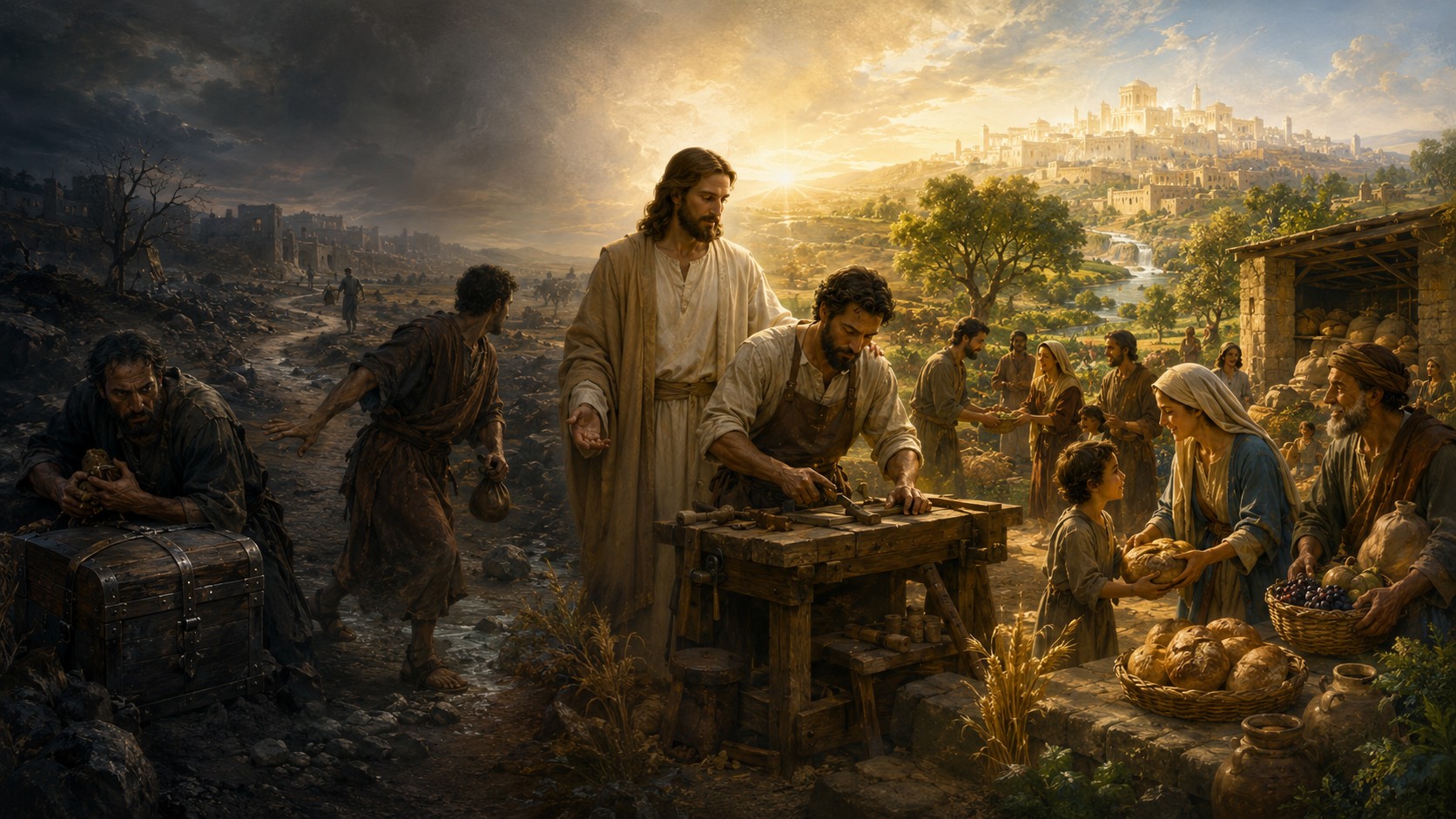
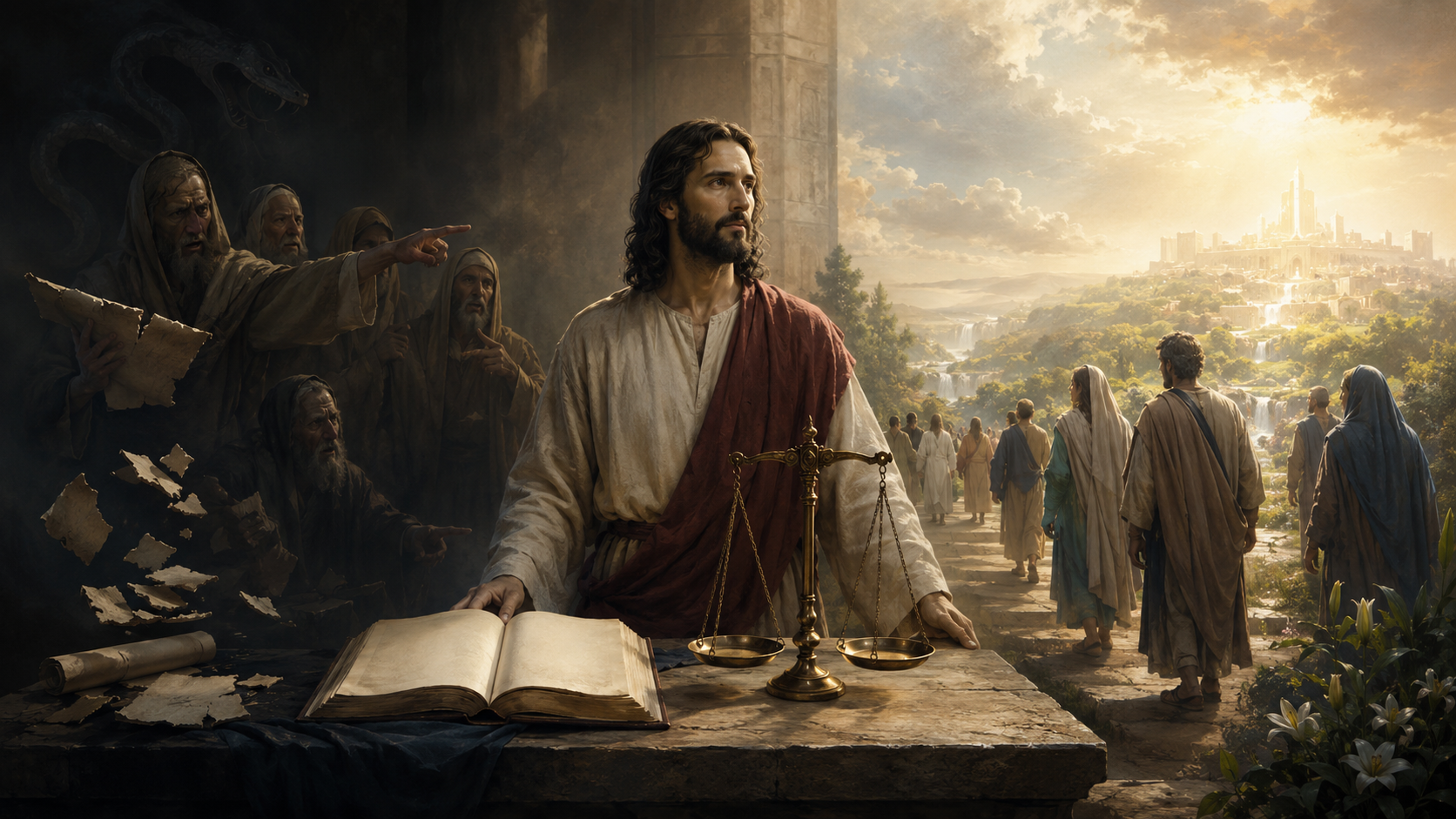
Author’s interpretive note: The comparison does not belittle the Old Testament. Commands, boundaries, festivals and discipline protected a people and made sin and holiness concrete, but institutions alone could not transform the heart into Christ’s likeness. The Law points beyond itself to Christ and to the Spirit writing God’s intention within.
Author’s interpretive note: Meetings, gifts and structures are tools, not maturity itself. The deeper training occurs in truth, relationships, service, conflict and freedom: choosing love, honesty, self-control, forgiveness and faithfulness without coercion, and becoming able to serve and bear responsibility with Christ.
Author’s interpretive note: The Millennium is not the final New Creation. It displays righteous government and trains overcomers to serve as servants, priests and rulers. Satan’s release at the end shows that a perfect external environment does not automatically mature every heart. ‘Preparatory course’ is the author’s model for Revelation 20, not wording used by the text itself.
Author’s interpretive note: Eternity is not inactivity; worship, service, creativity, government, nations and differing missions may remain. Honour and order must not be confused with oppressive class systems or with earning salvation. Scripture gives limited detail about conditions inside and outside the Holy City, so these particulars remain exploratory.
VISUAL STUDIES
Latest articles